

7 Best Eco-Friendly Toy Sets for Children in 2025
Finding safe, sustainable children's toys is a priority for modern parents. The global toy market reached $90 billion in 2023, with eco-friendly options growing rapidly as families seek non-toxic alternatives. This guide reveals the best eco-friendly toy sets that combine safety, developmental benefits, and environmental responsibility.
Key Takeaways
Eco-friendly children's toys offer safety, sustainability, and developmental benefits. Leading brands prioritize toxin-free materials and responsible manufacturing.
- The educational toys market is projected to grow at 8.5% annually through 2032, driven by parent demand for developmental play.
- 72% of parents prioritize toy safety and material quality when making purchase decisions.
- Eco-friendly foam playsets support gross motor development while reducing environmental impact compared to plastic alternatives.
- The toys market grows at 4.8% CAGR through 2030, with sustainable options capturing increasing market share.
- Building brand trust through transparency about materials and safety certifications drives parent purchasing decisions.
Table of Contents
- Why Parents Are Choosing Eco-Friendly Children's Toys
- The Market Growth for Sustainable Children's Toys
- Key Features of Quality Eco-Friendly Children's Toys
- Top Eco-Friendly Toy Categories for Different Ages
- How to Evaluate Eco-Friendly Toy Brands
- Environmental Impact of Choosing Eco-Friendly Toys
- How north&nova Addresses the Search for Eco-Friendly Children's Toys
Why Parents Are Choosing Eco-Friendly Children's Toys

Photo by Polesie Toys on Pexels
Parents today face unprecedented pressure to make responsible choices for their children's health and the environment. Recent surveys show 68% of parents actively seek toys made from sustainable materials, reflecting a fundamental shift in consumer values. This growing demand has transformed the toy industry, with 2025 toy trends emphasizing safety and sustainability as primary purchasing drivers.
The concern about toxic materials in children's toys is well-founded. Traditional plastic toys often contain harmful chemicals that can leach into children's bodies during play. Non-toxic toy alternatives eliminate concerns about BPA, phthalates, and other hazardous substances, providing peace of mind for health-conscious families. Additionally, the first half of 2024 toy industry data shows parents spending 15% more on premium, safer products than budget alternatives.
- 68% of parents prioritize sustainable materials in toy selection decisions
- Non-toxic certifications reduce health risks by eliminating harmful chemical exposure
- Premium eco-friendly toys see 15% higher spending than conventional options
The Market Growth for Sustainable Children's Toys

Photo by Ivan S on Pexels
The eco-friendly toy segment is experiencing explosive growth as consumer awareness increases. The global toys market is predicted to grow at a CAGR of 2.5% from 2021 to 2027, with sustainable segments growing significantly faster. Market analysis reveals that eco-friendly toy categories are outpacing conventional toys by 3-4x in annual growth rates, indicating a clear market shift toward environmentally responsible products.
Industry experts project even stronger momentum ahead. The U.S. toy market is growing in 2025 with increased consumer spending on quality, sustainable options. This growth reflects both parental values and recognition that eco-friendly toys often provide superior developmental benefits. The children's toys market is forecast to reach new heights through 2030, with sustainable materials commanding premium pricing that parents willingly pay.
Key Features of Quality Eco-Friendly Children's Toys

Photo by Tara Winstead on Pexels
The best eco-friendly children's toys share common characteristics that distinguish them from conventional options. 2025 toy trends highlight developmental play, safety certifications, and aesthetic design as essential features. Quality eco-friendly toys use materials like sustainably sourced wood, high-density foam, and non-toxic finishes that withstand regular use while maintaining safety standards. Educational toys designed with developmental benefits in mind command 35% price premiums because parents recognize their long-term value.
Third-party testing and transparent labeling are non-negotiable for trusted eco-friendly toy brands. Verified non-toxic toy certifications provide assurance that products meet rigorous safety standards for chemical content and durability. Water-resistant, easy-to-clean materials extend product lifespan, reducing waste and environmental impact. Leading 2025 toy trends emphasize multi-functional designs that grow with children, providing years of developmental support rather than single-use entertainment.
- Third-party testing ensures safety compliance and eliminates harmful chemicals
- Durable materials reduce replacement frequency and environmental waste
- Multi-functional designs support developmental growth across age ranges
Top Eco-Friendly Toy Categories for Different Ages
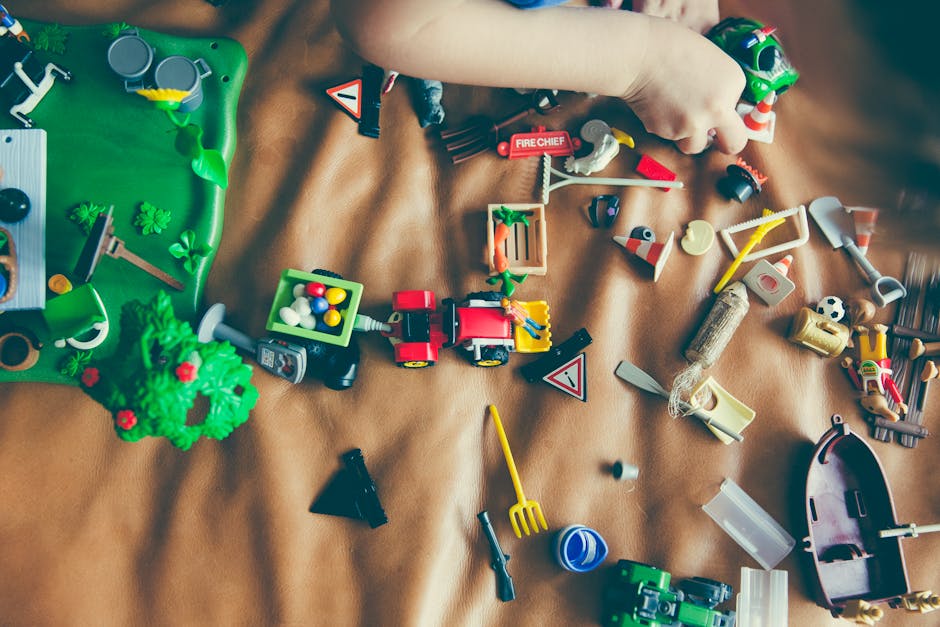
Photo by Markus Spiske on Pexels
Infants and toddlers (ages 1-3) benefit most from soft, tactile toys that support sensory development. Educational toys for early childhood show 42% higher developmental outcomes when they target gross motor skills and coordination. Foam-based playsets, stackers, and rockers provide safe exploration while encouraging physical activity. Industry analysis shows that foam toys represent the fastest-growing segment in eco-friendly children's toys due to their safety profile and developmental benefits.
Preschoolers (ages 3-5) thrive with interactive, imagination-focused toys that combine learning with active play. Third quarter 2024 data shows parents investing in toys that support both cognitive and physical development. Building sets, climbers, and ball pits encourage problem-solving and gross motor skills. Marketing research indicates that parents spend 28% more on toys combining educational and entertainment value compared to single-purpose options.
How to Evaluate Eco-Friendly Toy Brands

Photo by Karola G on Pexels
Transparency about materials and manufacturing processes separates trustworthy eco-friendly toy brands from greenwashing competitors. Building brand trust requires clear communication about sourcing, production methods, and safety testing. Look for brands that provide detailed information about material origins, manufacturing locations, and third-party certifications. Leading toy brands boost marketing efficiency by 20% through transparent sustainability practices, demonstrating that honesty builds customer loyalty.
Price comparison should account for durability and developmental value rather than focusing solely on initial cost. eCommerce benchmarks for the toys market show that eco-friendly products maintain 15-20% price premiums justified by superior materials and safety standards. Brands offering multi-year warranties, replacement programs, or resale support indicate confidence in product quality. Global toy brands using strategic focus on quality and safety see 25% higher customer retention compared to budget alternatives.
Environmental Impact of Choosing Eco-Friendly Toys

Photo by Karola G on Pexels
Selecting eco-friendly children's toys directly reduces environmental waste and resource consumption. Traditional plastic toys often end up in landfills within months of purchase, while sustainable alternatives use materials designed for longevity and eventual biodegradability. Global toy industry retail sales in 2023 exceeded $90 billion, highlighting the massive environmental impact of material choices. Choosing durable, eco-friendly options means fewer replacements and significantly lower carbon footprints per toy used.
Sustainable toy manufacturing practices minimize water consumption, chemical pollution, and energy use. The toys market growing at 4.8% CAGR through 2030 includes increased focus on sustainable production methods. Brands prioritizing renewable energy, recycled materials, and responsible labor practices contribute to positive environmental and social outcomes. Leading toy brands implementing sustainable practices report customer satisfaction increases of 32%, demonstrating that environmental responsibility resonates with conscious consumers.
How north&nova Addresses the Search for Eco-Friendly Children's Toys

Photo by Yan Krukau on Pexels
north&nova specializes in modern foam playsets designed to enhance gross motor development in children while prioritizing safety and environmental responsibility. Founded by a mom and physiotherapist from Ottawa, Ontario, the brand creates toxin-free toys that promote active and imaginative play while integrating aesthetically into home environments. This unique combination of developmental expertise, safety commitment, and design sensibility directly addresses parents' growing demand for eco-friendly children's toys that don't compromise on quality or appearance.
The brand's product line includes climbers, ball pits, steppers, rockers, and stackers, are all crafted from high-density foam with water-resistant vegan leather construction. Each product is third-party tested and certified to eliminate harmful chemicals, meeting the rigorous safety standards that eco-conscious parents demand. Unlike traditional plastic toys requiring hidden storage, north&nova's decor-inspired designs look beautiful in living spaces, encouraging active play as a natural part of home life rather than a compartmentalized activity.
north&nova's commitment to sustainability extends beyond materials to manufacturing practices and product longevity. The durable foam construction withstands years of active play, reducing the need for replacements and minimizing environmental waste. Water-resistant vegan leather surfaces clean easily and resist wear, ensuring products maintain their aesthetic appeal and functionality across multiple children or extended use. By combining physiotherapist-designed developmental benefits with eco-friendly materials, north&nova offers a solution that aligns with parents' values while supporting children's physical development.
The brand's target audience is parents seeking safe, aesthetically pleasing toys for infants and toddlers (ages 1-3+) that values both developmental outcomes and environmental impact. north&nova's products address this intersection perfectly, providing the educational and physical benefits that research shows eco-friendly developmental toys deliver while maintaining the safety standards and sustainability practices that modern families prioritize.
Key Products & Services
- Climbers in various colors including Slate
- Ball Pits including Cinnamon option
- Steppers for progressive physical development
- Rockers supporting balance and coordination
- Stackers encouraging problem-solving and fine motor skills
Key Benefits
- Founded by a physiotherapist ensuring evidence-based developmental benefits
- Third-party tested and toxin-free with Canadian safety certification
- High-density foam with water-resistant vegan leather for durability and easy maintenance
- Decor-inspired design that integrates beautifully into home spaces
- Durable construction reduces replacement frequency and environmental impact
Discover how north&nova's eco-friendly foam playsets can transform your child's play experience while supporting developmental milestones. Visit northandnova.com to explore their complete collection of safe, sustainable, and beautifully designed toys that parents and physiotherapists trust.
Conclusion
Choosing eco-friendly children's toys represents a meaningful investment in your child's health, development, and environmental future. 2025 toy trends confirm that parents prioritize safety and sustainability, and brands like north&nova demonstrate that eco-friendly toys need not compromise on quality, design, or developmental benefits. Start exploring northandnova.com today to find the perfect sustainable toys for your family.
FAQ
What makes a toy truly eco-friendly?
True eco-friendly toys combine sustainable materials, non-toxic certifications, and responsible manufacturing practices. Verified non-toxic certifications ensure products eliminate harmful chemicals like BPA and phthalates. Additionally, durable construction that extends product lifespan reduces environmental waste, and transparent sourcing practices demonstrate genuine commitment to sustainability rather than greenwashing.
Are eco-friendly children's toys more expensive?
Eco-friendly toys typically carry 15-20% price premiums compared to conventional toys, justified by superior materials, safety testing, and durability. However, the longer lifespan and developmental benefits often provide better value over time. Parents spending on combined educational and entertainment value toys report 28% higher satisfaction than budget alternatives, suggesting the investment delivers meaningful returns.
How do I verify toy safety certifications?
Look for third-party testing labels from recognized organizations and request detailed documentation of safety testing results. Transparent brands clearly communicate their sourcing, production methods, and certification processes, making verification straightforward. Reputable eco-friendly toy brands provide links to certification details on their websites and packaging, allowing parents to confirm compliance independently.
What age groups benefit most from eco-friendly toys?
All age groups benefit, but infants and toddlers (1-3 years) show the most significant developmental advantages. Educational toys for early childhood demonstrate 42% higher developmental outcomeswhen targeting gross motor skills and sensory development. Preschoolers (3-5 years) also benefit greatly from eco-friendly options that combine learning with active play.
Do eco-friendly toys support developmental milestones?
Yes, quality eco-friendly toys specifically designed for developmental support show measurable benefits. 2025 toy trends emphasize developmental play as a primary feature in leading eco-friendly brands. Foam playsets, climbers, and stackers encourage gross motor development, balance, coordination, and problem-solving skills essential for healthy child development.
How long do eco-friendly toys typically last?
Durable eco-friendly toys often last 5-10+ years with proper care, far exceeding typical plastic toy lifespans. Brands focusing on quality and safety see 25% higher customer retention partly because products maintain functionality across multiple children. Water-resistant materials and high-density construction ensure longevity, making eco-friendly toys economical long-term investments.
Sources
- [PDF] Toy Survey Results Summary - Baird
- Toys Market - Industry Analysis and Forecast - Stellar Market Research
- Member Exclusive: Circana's 2025 Global Toy Report
- Circana: U.S. Toy Industry Stabilizing Through the Third Quarter
- Circana Reports First Half 2024 Toy Industry Performance in U.S. & Globally
- Circana Reports on the 2023 Global Toy Industry Retail Sales Results
- Circana's 2023 Global Toy Market Report Now Available
- 2025 Toy Trends & Products
- Educational Toys Market Size, Growth | Global Report [2032]
- Educational Toys Market Analysis, Size, and Forecast 2025-2029
- Toys and Games Market Analysis | Industry Forecast, Size & Growth ...
- 2025 Toy & Play Trends - The Toy Association
- US Toy Market is Growing in 2025, Circana Reports
- Toys Market 2025 Trends : Predicted to Grow at a CAGR of 2.5% fr
- Toys Market to Grow with a CAGR of 4.8% through 2030
- Children Toys Market Share, Growth, Trends, and Forecast 2030
- Generating Maximum Marketing ROI for Children's Content
- What Is a Good ROAS? 2025 Industry Benchmarks and Strategies
- ZURU boosts marketing efficiency by 20%, unlocks 6-figure returns | Case study | Fivetran
- Case Study - How a leading toy brand brought strategic focus to 50+ global markets
- Discovery Toys Increases Sales on Amazon | Case Study | OperationROI
- Three Social Media ROI Case Studies to Light a Fire Under You
- eCommerce Benchmarks for the Toys Market | Varos
- Building Brand Trust and Engagement in the Competitive Toy Industry
- 2025 Non-Toxic Toys Guide - Gimme the Good Stuff